
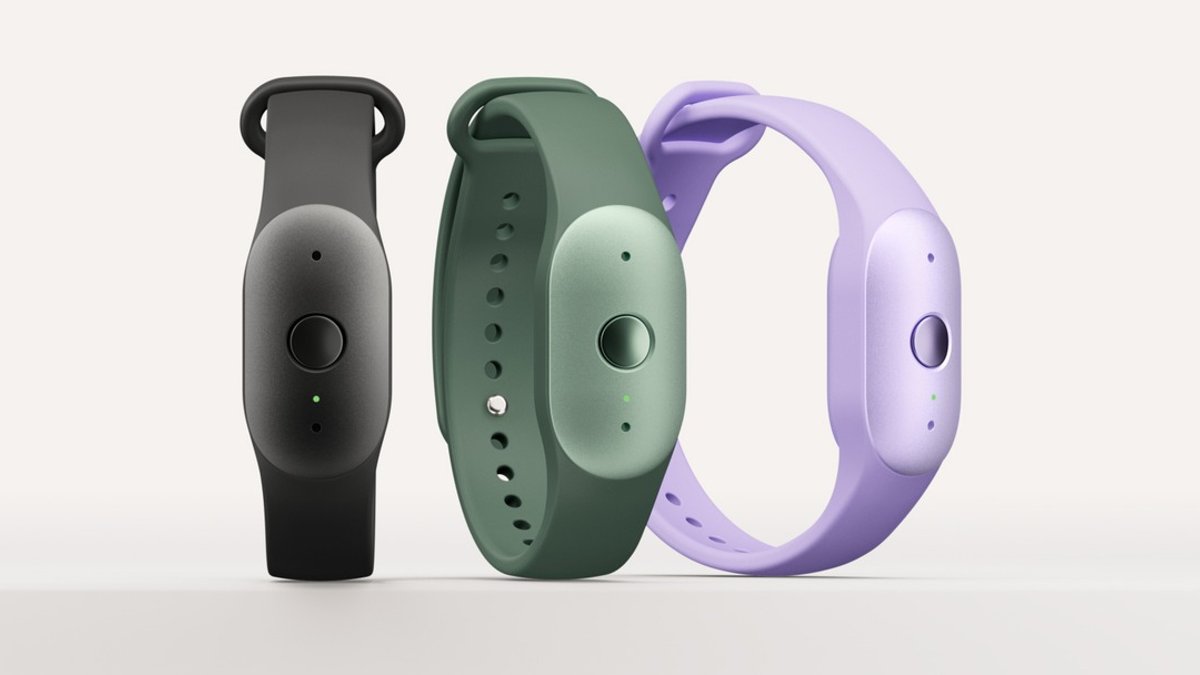
Amazon’s new Bee AI devices have a bystander problem, according to Jeff Williams, a privacy and security veteran who previously worked as a senior principal security engineer at Amazon Web Services. The devices, which include the Bee Frontier and Bee Eclipse, ask the wrong person for consent, Williams writes in a LinkedIn article.
The Bee Frontier and Bee Eclipse gadgets convert spoken discussions into concise summaries and action items, with integration to Amazon’s platform and Alexa+ for subscribers who pay. Yet Jeff Williams, a former AWS security expert, contends that these tools focus their consent mechanisms solely on the device owner, leaving others in the conversation with no real way to opt out.
Amazon insists users receive a request for approval from everyone on a call each time recording starts, and the devices visibly signal when they’re active. Williams counters that the request only appears on the wearer’s phone, with no enforcement mechanism in place.
The indicator light can also be easily hidden under a sleeve or in a pocket, Williams notes, and a device on the wrist or phone sits outside the frame on a video call. This makes it difficult for others to know they are being recorded.
Lack of Informed Consent
Williams cites Meta’s Ray-Ban smart glasses as a case study for this flaw. Last month, Germany’s Hamburg data regulator ruled that the glasses’ recording light was too faint to notice outdoors, concluding that a visual indicator alone doesn’t satisfy Europe’s GDPR standards for informed consent.
In the U.S., roughly a dozen states—such as Washington and California—typically mandate that all parties must consent before taping private talks. Williams argues that Amazon’s approach fails to meet these legal requirements.
Williams acknowledges Amazon’s Bee Private Compute feature as a positive step, as it processes audio in a secure, encrypted AWS environment before erasing it. The company claims only the account holder can view the output, not Amazon or Bee itself.
Read Also: AI slang captures frustration over digital chaos
Still, Williams points out this only shields the wearer. The words of others in the conversation still appear in transcripts and summaries they cannot review or delete. Amazon states that unidentified speakers won’t be named unless they complete voice training with the device owner.
Risks for Businesses
Williams recommends businesses avoid using these devices in confidential client meetings or sensitive discussions, since the resulting notes end up in a personal employee account, one the company cannot oversee or control.
He proposes that Bee should exclude others’ voices from transcripts by default, unless those individuals actively register their voices and agree to be recorded. Before Amazon’s acquisition, Bee had planned to record only those who gave explicit verbal consent, according to TechCrunch reports.
Amazon did not directly address the criticism but highlighted built-in protections, including an automatic power-down feature that deactivates the devices if they stop detecting the owner’s voice for a preset duration.
Amazon’s Response
The company also emphasizes that it teaches users responsible usage through the Bee app, and that the Eclipse model will send reminders urging customers to inform others when using the device and seek their permission.
Williams, now chief information security officer at Sigma360, worked at AWS from 2023 to 2025. His full article on the Bee AI devices can be read on LinkedIn.