
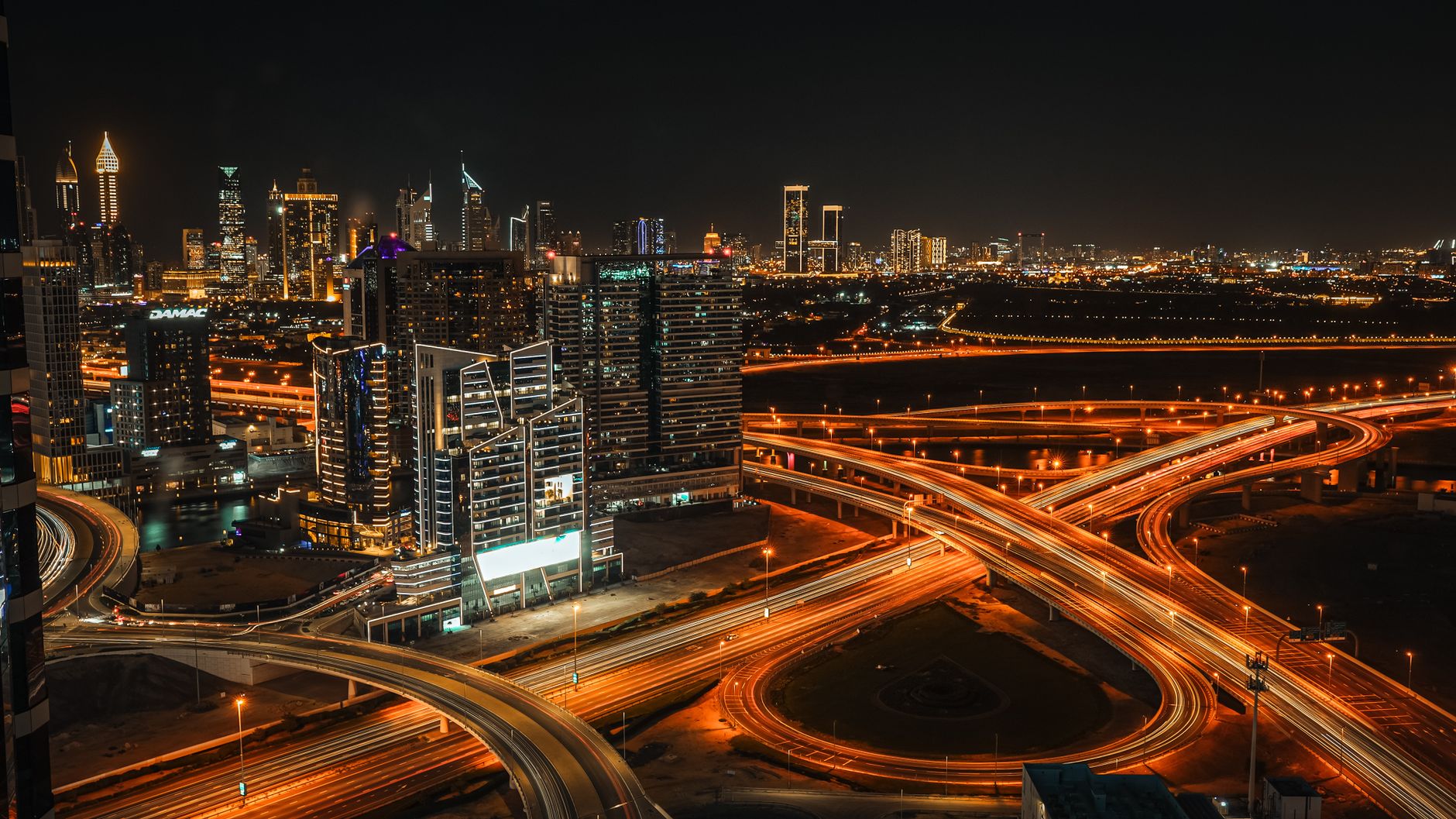
Dubai is betting on three U.S. startups to introduce underground tunnels, driverless pods and electric air taxis as part of a $545 million effort to ease traffic congestion in the rapidly growing city.
Underground tunnel plan with The Boring Company
The Roads and Transport Authority (RTA) signed a deal with Elon Musk’s The Boring Company to build a 6.4‑kilometer “Dubai Loop” that would link the Dubai International Financial Centre to the Dubai Mall. The pilot phase includes four stations and is projected to handle about 13,000 passengers daily, according to RTA director‑general Mattar Al Tayer.
The only operational Loop in the United States runs beneath the Las Vegas Convention Center and has carried roughly three million riders since 2021. Those trips use human‑driven Teslas traveling at 30–40 mph, rather than the fully autonomous, high‑speed vehicles the company originally promised.
Professor Marcus Enoch of Loughborough University described the Las Vegas system as a “high‑end option comparable to helicopter taxis,” noting that it does not meaningfully reduce congestion.
Driverless pod trial from Glydways
San Francisco‑based Glydways will test small, air‑conditioned electric pods on a 2.8‑kilometer route between the National Paints Metro Station and Bluewaters Island. The pods, which carry four to six passengers, travel on narrow, dedicated tracks that are separated from road traffic. CEO Mark Seeger said trials could begin by mid‑year.
Related: Remote nurses in Philippines monitor US patients
Glydways claims the system can move 10,000 passengers per hour in each direction at a cost up to 90 % lower than conventional transport. However, the company has not yet operated a commercial service anywhere, relying on a test track in Concord, California, and a pilot near Atlanta airport.
Operating enclosed pods in Dubai’s extreme heat poses a challenge. An unnamed regional transport expert warned that each time a pod door opens above 45 °C (113 °F), cooled air escapes and must be fully replaced, raising energy costs.
The pilot starts this year.
Electric air‑taxi ambitions with Joby Aviation
California’s Joby Aviation, backed by nearly $900 million from Toyota, is the most advanced of the three projects. While the company has not yet received type certification from the U.S. Federal Aviation Administration, it is pursuing the Dubai initiative.
Joby sought more time to comment on certification timelines and the financial terms of the Dubai deal; The Boring Company and Glydways did not respond to queries.
Dubai’s population has doubled in 15 years to over four million, and vehicle registrations are rising at about 10 % annually—three times the global average. Residents lose an average of 35 hours each year to traffic delays, prompting officials to explore multiple mobility solutions simultaneously rather than sequentially.
Related: Chinese EV makers snap up idle European plants
Comparing these initiatives to earlier bets reveals a pattern of high‑profile contracts that struggled to deliver. In 2016 Dubai partnered with Hyperloop One to build a vacuum‑tube link to Abu Dhabi, raising $450 million before the venture folded in 2023. A 2021 agreement with GM’s Cruise for 4,000 self‑driving taxis also fell short; the program was shut down after a 2023 accident in San Francisco and a $3.48 billion loss.
Martin Tillman, founder of Dubai‑based transport advisory TMP Consult, said the current deals appear “more implementation‑ready” than past attempts, but noted the lack of publicly available success criteria or timelines. He cautioned that reputational risk grows if expectations outpace demonstrated performance.
The city continues to invest in proven infrastructure, with a third metro line under construction and the national Etihad Rail passenger network slated to start service in 2026.
From a broader perspective, Dubai’s approach mirrors other fast‑growing cities that use high‑visibility pilots to attract foreign innovators while shou lding the operational risk. The success of these projects will hinge on whether they can integrate with existing transit options, achieve safety standards and prove cost‑effective at scale.
Questions remain about the practical outcomes of the pilots. Tillman emphasized the need for clear metrics: ridership numbers, safety records, operating costs versus revenue, and connectivity to existing buses, metro lines and sidewalks. So far, the RTA has not released specific benchmarks for any of the three initiatives.