
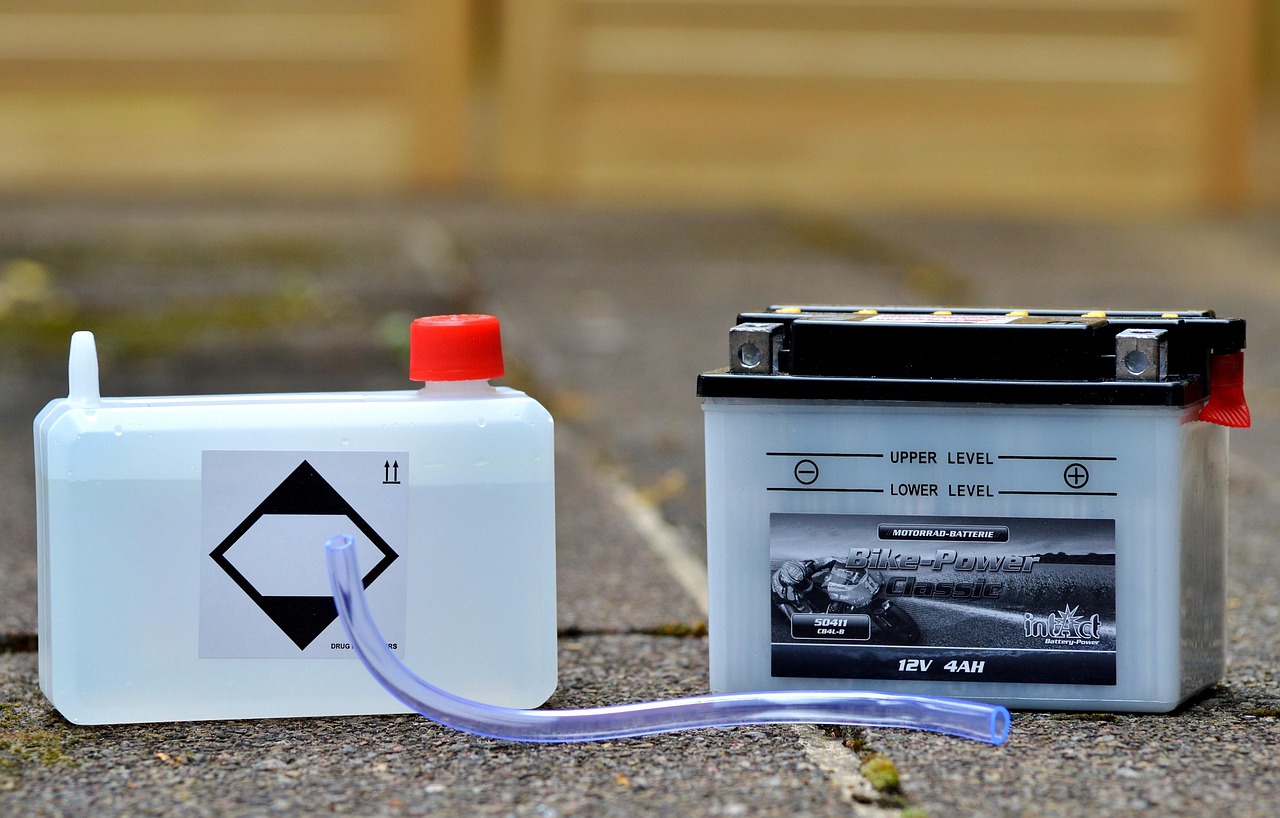
Electric-vehicle batteries have a lifespan of about a decade before they need replacing. When they reach the end of their initial use, they can be repurposed or recycled, and China and the West have differing strategies for handling them.
China has opted to prioritize metal recovery. New regulations enforce recycling rather than reuse. The batteries are shredded to reclaim the inside. These are essential for new batteries and are less costly to recover than mine fresh.
Related: China’s overseas EV factory boom stalls
A vast inventory of worn-out batteries has accumulated. China’s strategy is driven by its need to reduce its dependence on foreign suppliers for key battery metals.
In contrast, in the United States and Europe, the focus is on reuse before recycling. Batteries too weak for vehicles can still store sufficient charge for grid storage, extending their useful life and delaying the need for recycling. This approach allows time to build necessary recycling infrastructure.
The value of recycling depends on the battery’s composition. Batteries with nickel and cobalt contain valuable metals that make recycling economically viable. Most Chinese cars use cheaper lithium-iron-phosphate batteries, which contain few valuable metals, making recycling less profitable.
Related: Chile selects China’s undersea cable over U.S. objections
The United States recognizes the strategic importance of recycling. These are essential for the electricity grid and military equipment.
Waymo agreed to hand over its worn-out batteries to B2U Storage Solutions. The company repurposes these for grid storage in California and Texas. A retired battery pack can still power a grid for another five to ten years, providing stability as energy demand grows. “By extending the use of these batteries as grid storage, we are monetizing the full potential of EV batteries, now providing key stability to the power grid as energy demand continues to grow,” B2U CEO Freeman Hall said in a statement.
Metals are locked in millions of worn-out batteries. Both China and the West want these, but they differ on when to go after them. This divergence impacts the cost of new electric vehicles and clean energy storage.
Related: Americans increasingly opt for Chinese AI tools
Even though China has built a massive recycling infrastructure, many of its plants run below capacity. The cheaper batteries piling up are the least profitable to recycle. The recovered often needs further cleaning before it can be reused. Despite these challenges, China’s recycling drive is key for reducing its dependence on imported and securing its EV supply chain.
The materials inside an EV determine the recycling strategy. Nickel is highly valued, and its presence makes recycling economically viable. Cobalt, though scarce and expensive, drives the recycling process due to its high value. is also worth recovering but requires heavy processing. Meanwhile, lithium-iron-phosphate batteries, common in China, hold no valuable metals, making them unprofitable to recycle if not mandated by regulations.