
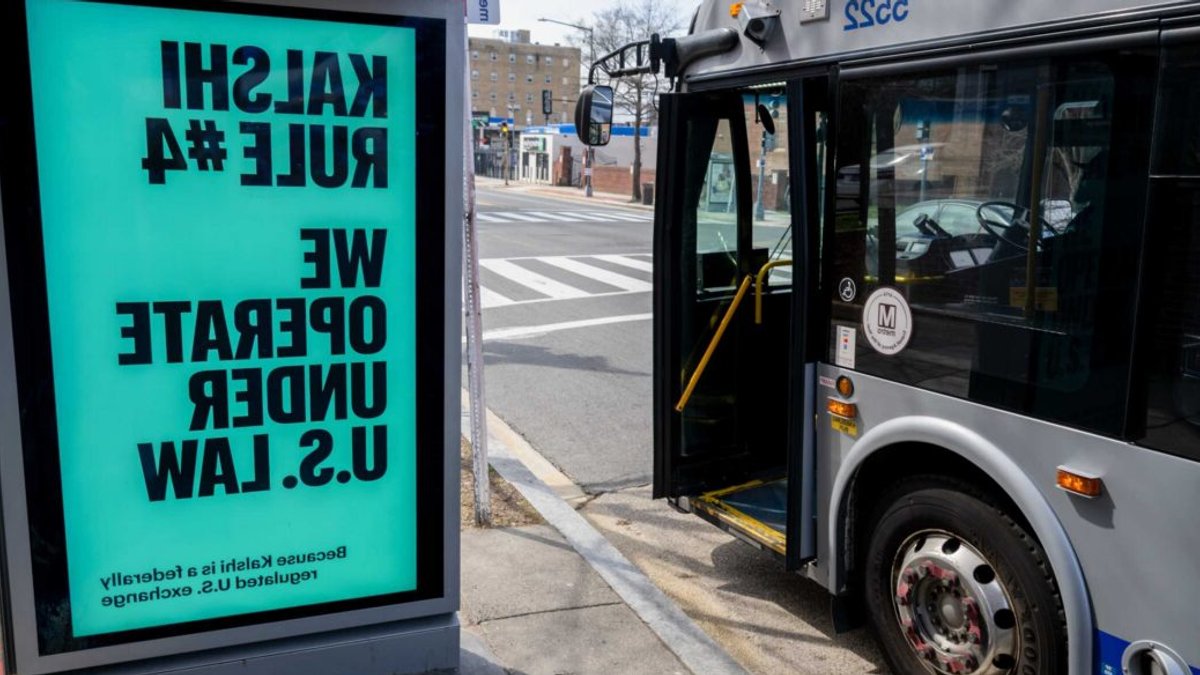
The Commodity Futures Trading Commission has spent years arguing that it alone has authority over prediction markets, even suing states that try to regulate them. A federal appeals court just pushed back, ruling that sports event contracts offered by Kalshi are not swaps under the Commodity Exchange Act. They’re gambling, the court said.
A rose by any other name
The legal fight turns on how you read the word “event.”
The CEA defines swaps as contracts dependent on “the occurrence, nonoccurrence, or the extent of the occurrence of an event or contingency associated with a potential financial, economic, or commercial consequence.”
Related: Elon Musk’s xAI sued over child porn in Grok training data
Judge Nelson wasn’t buying it.
He wrote that sports event contracts offered on Kalshi are sports gambling, regardless of whether the platform calls them swaps. Quoting Shakespeare’s Romeo and Juliet—”that which we call a rose by any other name would smell as sweet”—he concluded that “placing sports bets, even when called by another name, is still gambling.”
The broadest possible reading of the swap definition “might cover the sports event contracts here and thus preempt Nevada law,” the panel acknowledged.
Related: Microsoft drops 32GB RAM advice for Windows 11
But that reading, they said, conflicts with the larger statutory scheme and has no limiting principle.
“Congress has spoken on the issue of gambling in other statutes,” the ruling notes, and did not repeal or amend those laws when it passed the Dodd-Frank Act, which gave the CFTC its authority over swaps.
What the concurrence adds
Judge Bridget Bade joined Nelson’s ruling.
Related: Key Features to Look for in an Intrinsically Safe Portable Camera
Judge Kenneth Lee wrote a concurring opinion. He said he “agree[s] with the majority opinion that the more natural reading of ‘event’ under the statutory definition of a ‘swap’ would not include the outcome of a sporting event.”
“Few people would describe, say, the New York Mets’ latest loss of a game as an ‘event,'” he wrote. Lee also questioned whether a game’s outcome is “associated with a potential financial, economic, or commercial consequence” in the way the swap definition requires.
“Perhaps in an uber-technical sense a Mets’ loss could have marginal economic impact as some fans guzzle more beer to drown away their sorrows,” he added. “But it seems somewhat fanciful to say that the outcome of a single game in a 162-game season is likely ‘associated’ with a ‘financial, economic, or commercial consequence’ that one would expect in a swap contract.”