
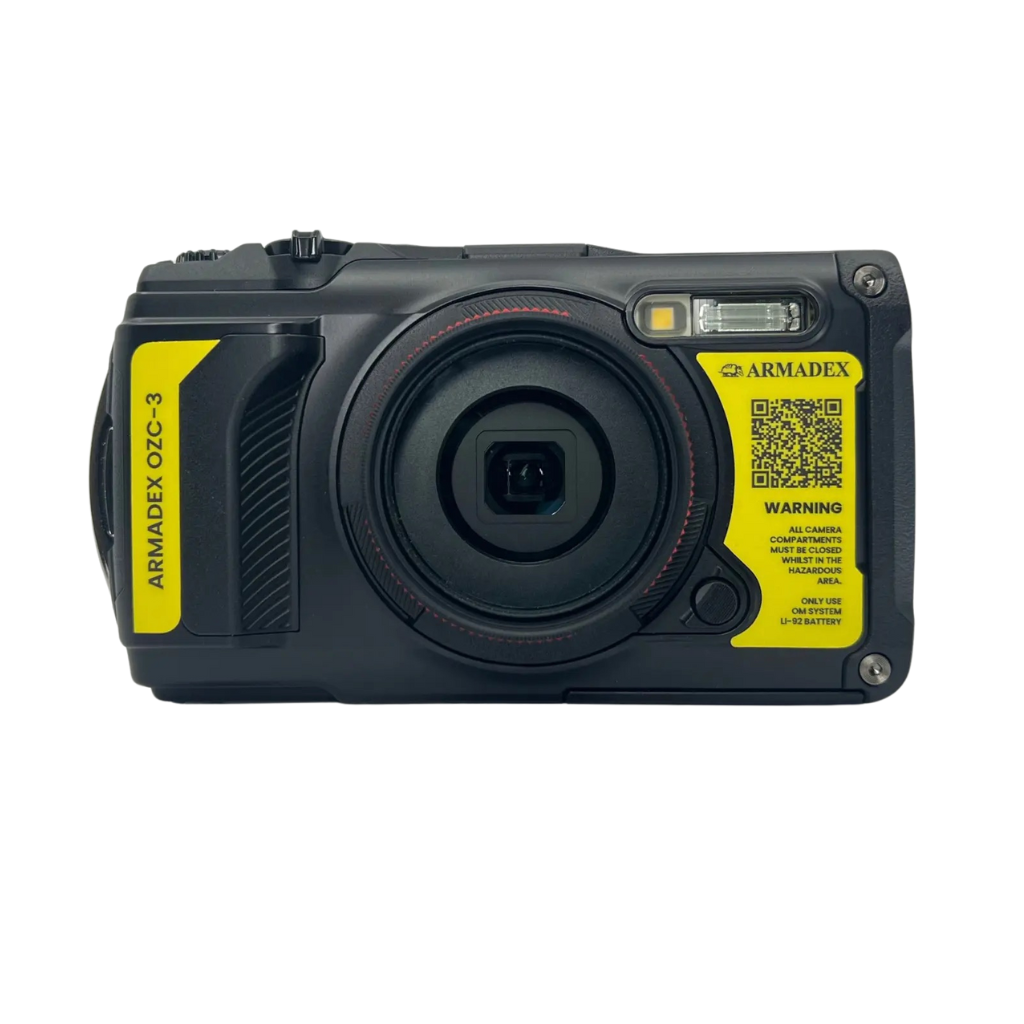
Selecting an intrinsically safe portable camera guarantees high-resolution visual documentation without exposing your facility to ignition risks in explosive environments. Standard digital cameras and smartphones generate tiny internal electrical sparks and thermal energy that can instantly ignite combustible gases, vapors, or airborne dust. Intrinsically safe cameras utilize energy-limiting circuitry and ruggedized housings designed to prevent thermal and electrical discharge under all operating conditions. Evaluating specific safety certifications, optical capabilities, and operational features ensures your inspection team captures vital diagnostic data safely across classified zones.
Verified Safety Certifications and Zone Ratings
Verifying exact hazardous area certifications stands as the most vital step when choosing visual inspection equipment for industrial plants. Devices carrying ATEX or IECEx certifications undergo rigorous independent testing to guarantee they cannot ignite volatile atmospheric compounds. Deploying non-certified or improperly rated electronics in explosive environments compromises site safety and violates international labor regulations.
You must match the camera certification rating directly to the specific hazardous zones present in your operating facility. Zone 0 and Zone 1 environments require devices capable of operating continuously amidst ignitable gas concentrations without failure. Selecting equipment with clear Class I, Division 1 or Division 2 markings ensures your safety managers remain compliant while conducting routine inspections in high-risk processing areas.
High-Performance Lighting and Low-Light Sensors
Capturing crisp detail inside dark storage tanks, underground vaults, and dimly lit refinery structures requires specialized lighting integration. Standard camera flashes dump massive bursts of electrical energy into the atmosphere, creating immediate ignition hazards in classified zones. Intrinsically safe cameras feature custom, energy-limited LED illumination arrays that illuminate dark spaces safely without triggering atmospheric combustion.
Pairing specialized LED arrays with high-sensitivity image sensors guarantees clear exposure in low-visibility environments. Advanced sensors reduce digital noise when documenting tight structural welds, internal valve corrosion, and equipment serial plates. Having clear visual evidence eliminates ambiguity during risk assessments and speeds up engineering approvals for scheduled maintenance overhauls.
Ruggedized Ingress Protection and Drop Resistance
Operating in heavy industrial environments requires camera hardware built to survive extreme physical abuse and harsh chemical exposures. Industrial inspections subject equipment to accidental drops onto concrete, high humidity, vibration, and fine corrosive dusts. A consumer camera housed in an aftermarket case lacks the structural integrity needed to protect delicate internal components during heavy field use.
Look for devices carrying minimum IP68 ingress protection ratings to shield internal electronics against total water immersion and fine dust penetration. Heavy-duty rubberized armor and anti-static composite casings absorb kinetic impacts, keeping the internal safety circuitry intact after accidental drops. Shockproof construction ensures your investment continues operating reliably through demanding facility turnaround projects.
Conclusion
Investing in an intrinsically safe portable camera (Explosion Proof) is a fundamental requirement for protecting personnel, assets, and operational continuity. Selecting a camera equipped with verified ATEX or IECEx certifications, high-grade ingress protection, and specialized LED illumination ensures complete compliance with international safety standards. Advanced imaging capabilities allow inspection teams to document structural defects, monitor corrosion, and audit safety protocols without compromising facility integrity. Prioritizing the right combination of safety ratings, optical clarity, and ruggedized design ensures your maintenance team captures actionable visual data safely in every hazardous zone.