
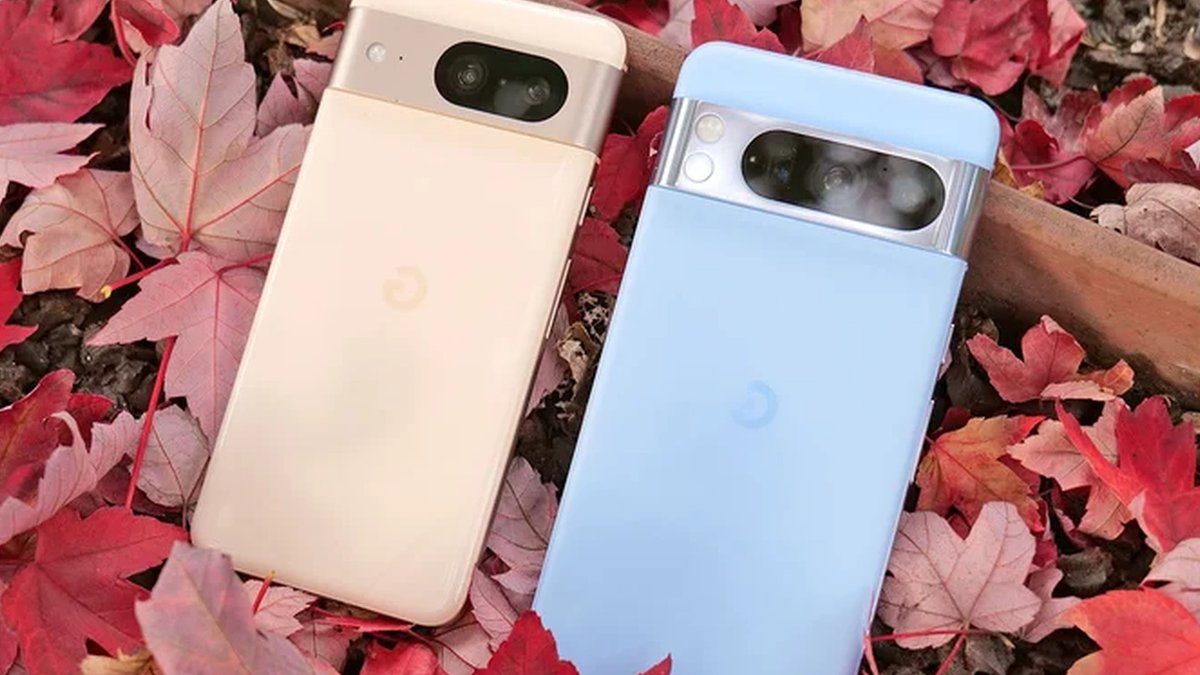
The Google Pixel 8 launched in 2023 at $700, but in 2026, it can be found refurbished for under $300 on Amazon. That price tag makes it a compelling option—especially when compared to Google’s newer budget phone, the Pixel 10a, which starts at $500. Whether it’s still worth buying depends on what matters most: software longevity, camera quality, or raw performance.
Software and Updates: A Seven-Year Commitment
The Pixel 8 was designed to last. Google promised seven years of OS and security updates, meaning it will still receive Android upgrades at least until 2030. Hardware degradation, like battery wear or display issues, is far more likely to become a problem before software compatibility does. This makes the Pixel 8 a rare long-term investment in a market where most phones become obsolete after two or three years.
Beyond major Android updates, Google also delivers “Pixel Drops”, smaller feature updates that add conveniences like Screen Reactions and Bubbles. While not every new Pixel feature makes it to older models, the Pixel 8 has received a significant share of these improvements, keeping it feeling fresh longer than many competitors.
Read Also: Holding PC Power Button Risks System Damage
Camera Performance: Still a Standout
The Pixel 8’s dual-camera setup, a 50-megapixel wide lens and a 12-megapixel ultrawide, remains one of its strongest selling points. Google’s AI-driven photography tools, like Magic Editor and Best Take, still deliver results that outpace many phones costing twice as much. The 6.2-inch 120Hz OLED display with 2,000-nit peak brightness ensures sharp, lively visuals, even in bright light.
For most users, the camera is where the Pixel 8 shines. It’s not just about megapixels; Google’s software processing turns good photos into great ones with minimal effort. This makes it a better choice for casual photographers than many mid-range alternatives.
Performance and Battery: Trade-Offs to Consider
The Tensor G3 chip in the Pixel 8 handles daily tasks well, but it’s not built for heavy gaming. While it can run casual titles smoothly, demanding games will struggle with frame rates and graphical fidelity. Over time, some users report choppy animations and slower app launches, particularly as the phone ages. This isn’t unique to the Pixel 8, many phones slow down after a few years, but it’s worth noting if you rely on your phone for productivity.
Read Also: Copper upgrades Charlie stove with dual-voltage wiring and faster heating
Battery life is another weak spot. The 4,575 mAh battery supports 27W wired charging and 18W wireless charging, but real-world usage often falls short of expectations. If battery endurance is a priority, other Android phones in the same price range may offer better longevity.
Design and Practicality: Flagship Build at a Budget Price
The Pixel 8’s aluminum frame and glass back give it a premium feel uncommon in this price range. It’s IP68 rated for dust and water resistance, and it includes reverse wireless charging, letting you charge smaller devices like earbuds without a cable. These features make it more durable and versatile than many competitors.
However, if you can stretch your budget slightly, the Pixel 9, available for under $500, offers upgrades worth considering. The Pixel 9 adds a 48-megapixel ultrawide camera, 12GB of RAM, and the newer Tensor G4 chip, which should handle aging better.