
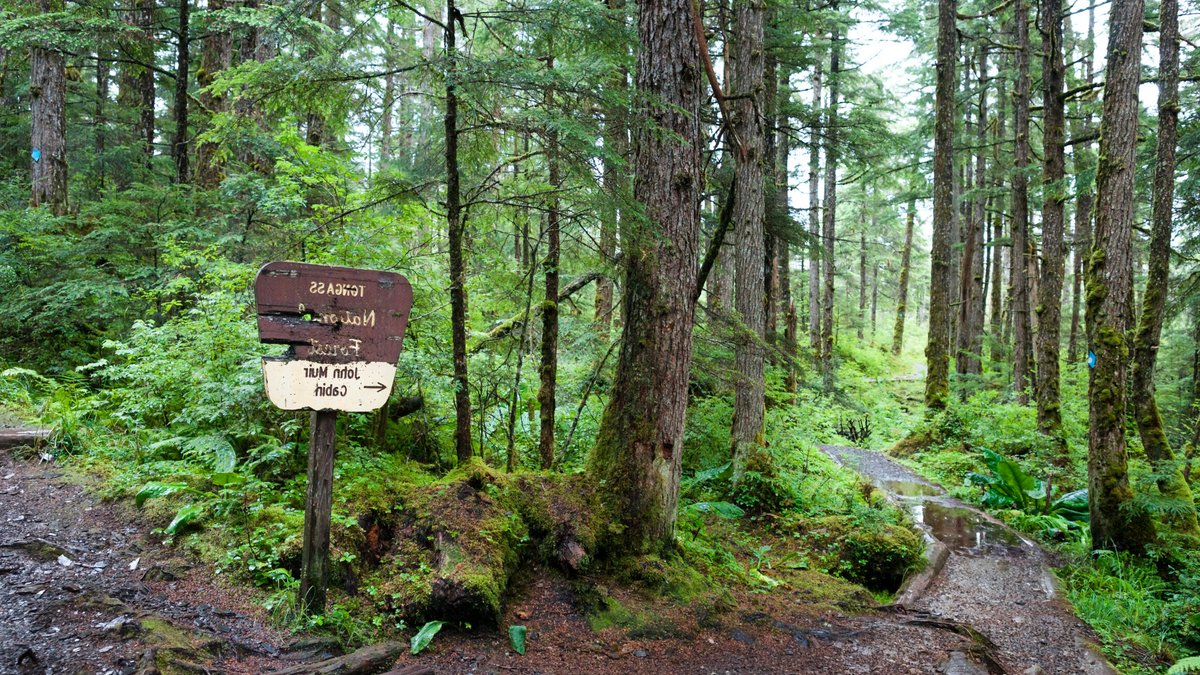
The Trump administration’s expected move to dismantle the Roadless Rule could put wildlife habitat and drinking water supplies at risk across the United States. The rule is slated for formal rollback in 2026. That decision would reopen these last wild places to road construction and development, fragmenting ecosystems that scientists say cannot be restored once broken.
Most roadless areas are part of larger ecosystems, sitting directly adjacent to or ecologically connected with better-known national parks and wilderness areas. Removing protections would erode the ecological buffers that shield those more famous lands from encroaching development, according to researchers who study forest management.
What the science says about roadless areas
The stakes for wildlife are concrete. For some species, roadless areas protect critical core habitat. Over half of the suitable habitat for the relictual slender salamander, a critically imperiled species native to the Sierra Mountains of California, occurs in a roadless area. Nearly 40 percent of the Mount Pinos lodgepole chipmunk, an imperiled subspecies, also lives in roadless areas in California.
Related: US directs new sites for space launches
Research shows that every formal roadless area provides habitat for at least two wildlife species of conservation concern — those facing risks to their long-term survival. The median roadless area supports 10 of these imperiled species. Some Arizona roadless areas contain habitat for up to 62 of them.
Roadless areas also protect watersheds that supply drinking water to 47 million Americans. Without the rule, these watersheds would still provide water, but their long-term health could be compromised. Roads can block stream flow and increase sediments flowing into waterways, and the result can be higher costs for water purification.
The Forest Service’s own watershed health assessment, known as the Watershed Condition Framework, uses road density as a key indicator of conditions that can disrupt water quantity and quality. That means the agency’s internal metrics already flag the exact kind of damage that roadbuilding would introduce.
There is a history here worth remembering. The American public spoke loudly in 2001 when they supported the Roadless Rule. Two decades later, public comments submitted on the rescission notice overwhelmingly opposed rolling back the rules, a Center for Western Priorities review found. That response reaffirmed that US roadless forests remain vital and valued, even as the political winds shifted.
Related: AI watermarks won’t halt low-quality content
The debate over roadless areas is not just about trees and salamanders. It is about how public lands are managed for multiple uses, and who gets to decide what those uses are. Development pressure on national forests has grown steadily, and the rule has been one of the few federal barriers preventing industrial activity in the most remote corners of the system. Removing it would shift the balance toward extraction and away from preservation, with consequences that would play out over decades.
Protecting these areas is about promoting healthy ecosystems on public lands so they can provide hiking, hunting, and fishing opportunities for generations to come, said Mariah Meek, Associate Professor of Integrative Biology at Michigan State University, and Travis Belote, Assistant Professor of at Montana State University.
The proposed rollback is expected to be formalized in 2026, but the timeline could shift. What remains clear is that the rule’s fate will determine whether the last roadless stretches of America’s national forests stay wild, or whether they become another patchwork of roads, culverts, and cleared land. For the species that depend on those areas, and the cities that depend on the water they filter, the difference is not abstract.