
Researchers at UW Medicine’s Institute for Protein Design (IPD) have developed AI-designed proteins that act as molecular scissors, targeting proteins linked to Alzheimer’s and amyotrophic lateral sclerosis (ALS), also known as Lou Gehrig’s disease. These proteins, called proteases, can repeatedly cut specific proteins at precise locations, offering a new approach to treating diseases. The scientists are using sophisticated AI models developed at IPD to design these proteases, leveraging their catalytic capability to destroy multiple targets sequentially.
How the Proteins Work
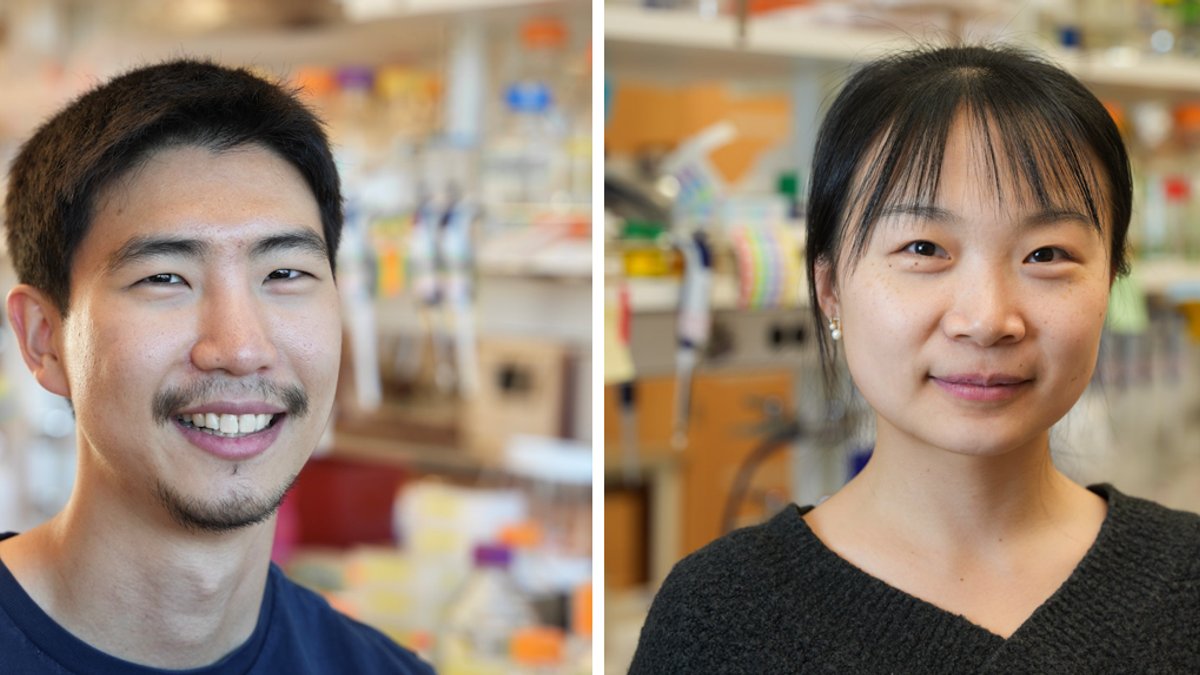
Unlike traditional drugs that bind to a single target, these enzymatic proteins have an amplified effect. Anqi Chen, a postdoctoral fellow, explains that they can destroy one target and then move on to others, potentially reducing the need for high drug doses. This catalytic nature allows for a more efficient therapeutic approach. The team has designed proteases that target neurodegenerative diseases and is now expanding to malaria, chronic diseases, and cancer. Additionally, these proteins could be used to neutralize viruses or bacterial toxins, broadening their potential applications.
Read Also: Getty Images Keeps Seattle HQ in Chapter 11
The researchers used AI models to create two types of proteases. One type, using a metal ion as the cutting blade, precisely targeted an Alzheimer’s-linked protein 100 million times faster than non-enzymatic methods. More than one-third of these proteases successfully cut their target. Another, using an activated amino acid called cysteine, achieved a 19% success rate and was up to 30 million times faster. These findings highlight the remarkable efficiency of the designed proteases.
Challenges and Future Applications
While promising, these proteins face challenges before becoming human therapies. One issue is immunogenicity, where the body’s immune system might attack the therapeutic proteins. Hojae Choi, a graduate student, is addressing this by combining the proteases with antibodies to mask their presence, effectively disguising them as harmless. Another challenge is controlling the enzymes’ activity to modulate their impact as needed. The team is also exploring applications beyond medicine, such as breaking down hazardous pollutants and plastic waste, showcasing the versatility of this technology.