
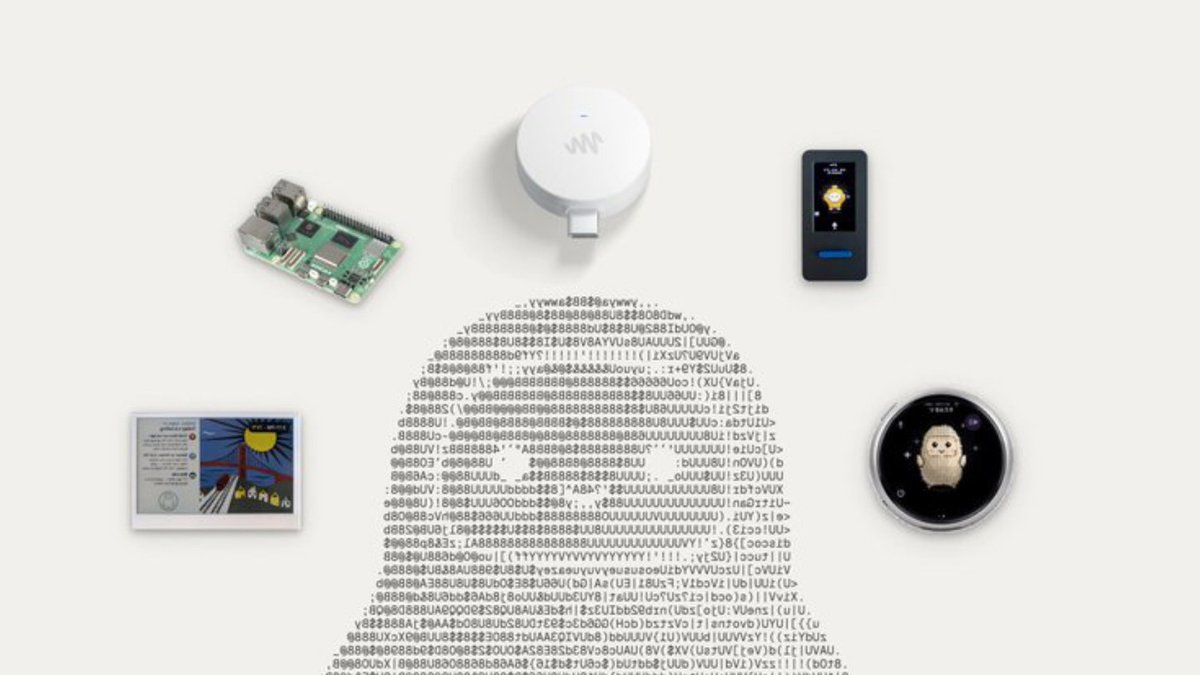
Meta is expanding its AI agent Muse beyond a single device by launching an open-source project called Muse Gadgets, which encourages developers to create their own hardware powered by the AI. The company introduced its own Muse Home Link as a starting point for the initiative, and it frames the effort as a way to broaden the ecosystem around the conversational assistant.
The Muse Home Link is a USB-C dongle that connects Muse to a home network, enabling communication with smart home devices like TVs, speakers, and other HTTPS-capable gadgets. Meta has manufactured 5,000 units, which it will distribute to Muse subscribers as part of a pilot rollout. Recipients will receive the dongle pre-loaded with the open-source firmware, allowing them to test integration without additional licensing fees.
According to Nat Friedman, head of product for Meta’s superintelligence labs, the company is releasing open-source firmware and a Linux SDK to help developers integrate Muse into physical devices. They have suggested potential gadget ideas, including an E Ink display, an HDMI dongle for TVs, or a touchscreen accessory similar to the Muse Charm. The SDK contains sample code, documentation, and tools that let engineers prototype new form factors quickly.
The platform aims to be adaptable, allowing creators to connect Muse to various hardware beyond the firm’s own designs. To encourage collaboration, Meta has created a dedicated Discord community for the project, where participants can share progress, ask technical questions, and exchange design files. Moderators from the lab regularly post updates and answer implementation queries.
The Muse Home Link serves as both a practical tool and a demonstration of Muse’s hardware potential. Friedman described it as a device that lets Muse interact with smart home ecosystems without requiring additional software or cloud dependencies beyond HTTPS. He emphasized that the dongle operates locally, meaning user data stays on the network rather than being routed through external services.
While Meta has not disclosed broader plans for Muse Gadgets, the company hopes hobbyist innovations will inform its future hardware strategies. The social network’s leadership believes that community-driven prototypes could shape the next generation of AI-enabled appliances. CEO Mark Zuckerberg previously introduced the Muse Charm at Connect, positioning it as an alternative to Meta’s smart glasses for voice interaction with the AI agent, and he noted that the new open-source push reflects a shift toward more modular, user-customizable AI experiences.