
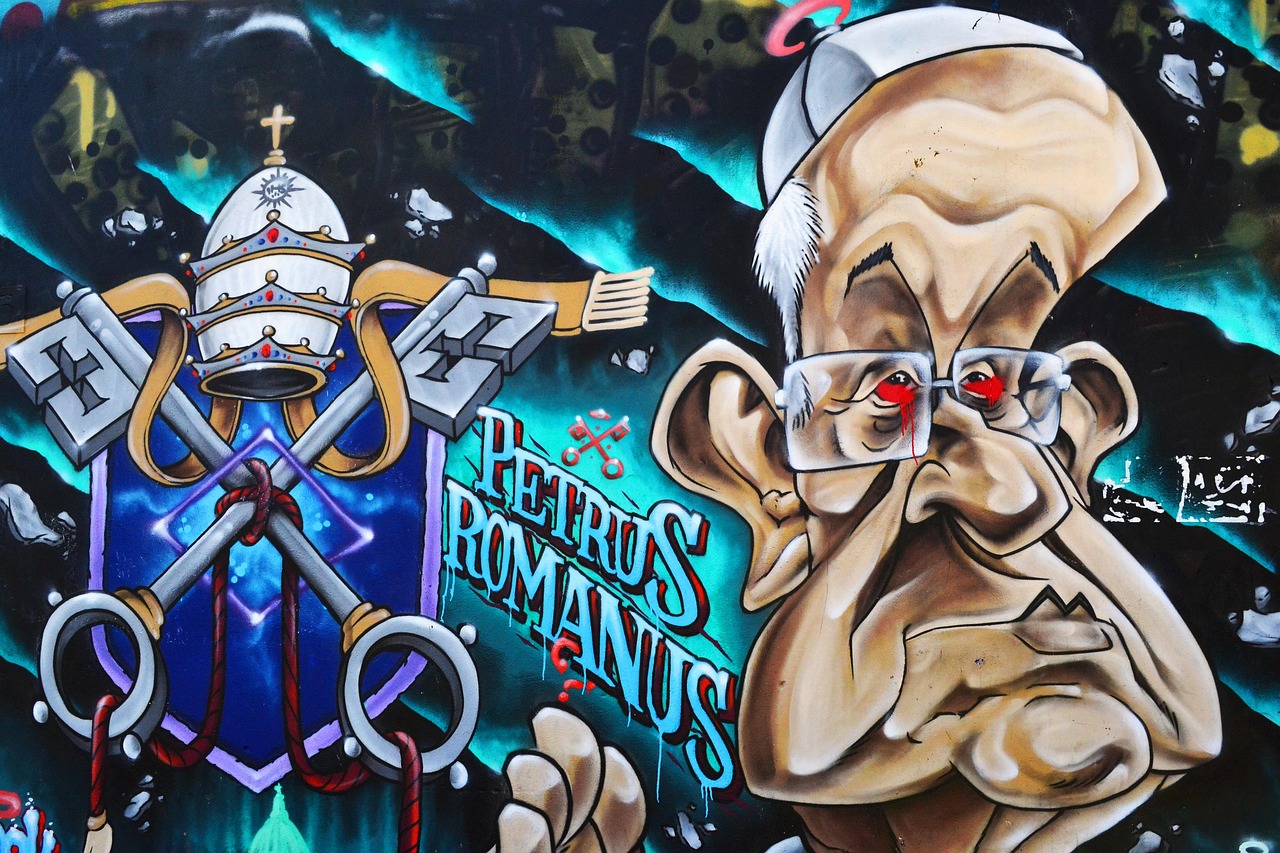
On Monday, Pope Leo XIV released his first encyclical, titled Magnifica Humanitas, or magnificent humanity. The 83-page letter warns against concentrating AI power in too few private companies, calls for job protections, and demands tighter oversight and regulation. It’s about “safeguarding the human person in the time of artificial intelligence.”
Christopher Olah, co-founder of Anthropic, attended the briefing and got a mention from the pope. That’s no surprise: Anthropic recently hosted more than a dozen Christian leaders at its San Francisco office. Officials from Meta, Google, and Amazon have also held meetings at the Vatican.
Big tech companies are courting the pope because technology has reshaped worship and spiritual guidance, with religious leaders and ordinary people turning to social media and AI chatbots. Without international AI standards, companies and organizations may naturally seek moral direction from religion. Deciding which religions get a seat at the table and who writes the rules remains an open question.
Related: AI Falls Short in New Economy
For the world’s 1.4 billion Catholics, papal guidance matters deeply. Most live in South America, with the fastest-growing populations in Asia — especially India, the Philippines, and Africa. In these same regions, many workers doing low-paid data annotation and labeling for AI are located. Critical minerals for chips are mined there, and data centers consuming water and electricity are being built, facing growing opposition in the West.
Christianity remains the world’s most dominant religion, but Islam is the fastest-growing, according to the report. Hinduism is the largest faith in India, the world’s most populous country, while only about a quarter of Chinese people practice any religion.
Bias in AI models is already showing up. Recent research found that many popular AI models favor Catholicism over other religious traditions when asked about converting. Earlier this year, Egypt banned AI from interpreting the Quran, citing concerns that chatbots like ChatGPT and Claude were nudging Muslim users toward Western values and away from their communities.
Related: 5 Important Tips for Choosing Children’s School
Brian Patrick Green, director of technology ethics at the Markkula Center for Applied Ethics at Santa Clara University, has been part of the talks at Anthropic. I asked him whether religion should shape AI — and what happens if one religion dominates.
“Regardless of whether religion should have a role in shaping AI, it already does,” Green said. Data scraped from the internet to train large language models includes religious scriptures, sermons, homilies, speeches, and other texts.
“AI should be able to serve everyone, and that means it needs to know about the religions of the world,” he added. But cultures can function like religions, and the cultures of the U.S. and China are shaping AI systems right now.
Related: How to Add Followers On Instagram, Safely without Application Help
“It is likely that over time AI systems will become customized for the cultures that have enough power and wealth to enforce or pay for that customization,” Green said. “So there will be conflicts over AIs that are aligned with certain moral values.”
The Geneva-based Interfaith Alliance for Safer Communities last year hosted leaders from various religious groups, along with companies including Anthropic and OpenAI, in New York to discuss infusing morality and ethics into AI. More such meetings are planned in Beijing, Nairobi, and Abu Dhabi.
Perhaps these gatherings can provide the “plurality of voices and visions” that the pope’s encyclical calls for.