
Digital services now shape how people shop, learn, work, travel, and access essential everyday services. Behind every smooth transaction, video call, or AI-powered tool, physical infrastructure is working continuously. As businesses expand their digital capabilities and adopt connected technologies, digital economy transformation becomes closely linked to the need for responsible resource use. Its energy demands make sustainability an important part of long-term progress.
The opportunity is to make digital growth more efficient without slowing innovation. Better data centre design, smarter cloud operations, renewable energy, and responsible technology choices can help businesses expand while using resources more thoughtfully.
Digital Infrastructure Is Reshaping Economic Growth
A connected economy depends on facilities that keep information available, secure, and moving. Their design increasingly influences business resilience, public services, and environmental performance.
The Infrastructure Behind Everyday Digital Activity
- Cloud platforms: Give organisations flexible computing capacity and help them scale services in response to demand.
- Data centres: Store and process the information behind banking, e-commerce, healthcare, communication, and public-sector applications.
- Connectivity networks: Link users, devices, applications, and facilities, supporting responsive services across locations.
- AI-ready systems: Provide the computing power needed for advanced analytics, automation, and intelligent applications.
As digital adoption grows, infrastructure decisions become economic decisions too. Efficient facilities can support productivity while managing the resources required to keep services running.
Smarter Operations Put Sustainability Into Practice
Technology becomes more sustainable when organisations measure performance and improve the way infrastructure is used. Practical changes across facilities and cloud environments can create operational gains.
Approaches That Support Efficient Infrastructure
- AI-enabled monitoring: Analyses operating data to identify unusual patterns, anticipate equipment needs, and improve energy management.
- Virtualisation and workload consolidation: Help increase server utilisation, reducing the need to operate underused physical equipment.
- Intelligent cooling: Uses sensors and adaptive controls to match cooling output with changing heat loads.
- Renewable energy integration: Helps data centre operators diversify electricity sources through suitable procurement and on-site generation.
- Cloud optimisation: Right-sizes workloads, removes idle resources, and selects services according to actual computing requirements.
The strongest results come from treating efficiency as an ongoing process. Teams can establish performance baselines, review energy and water use, and refine operating settings as workloads change.
Digital Sustainability Solutions For A Greener Future
Sustainable digital growth involves more than installing efficient equipment. It requires coordinated choices across energy, water, infrastructure design, procurement, and day-to-day operations.
Organisations developing digital sustainability solutions can consider the lifecycle of their technology. This includes selecting equipment with longer useful lives, planning for repair and responsible recycling, and evaluating suppliers against environmental criteria. Data centre teams can track power usage effectiveness (PUE) alongside water usage effectiveness (WUE), while recognising that these measures need context about climate, workload, and facility design. Renewable electricity procurement, efficient backup systems, heat reuse where practical, and careful water management can strengthen performance. Cloud users also have a role: choosing appropriately sized services and avoiding unnecessary data retention reduces demand across shared infrastructure. These measures connect environmental goals with operational discipline, making progress easier to assess and improve.
Collaboration Connects Innovation With Real Outcomes
No single organisation controls every part of the digital infrastructure ecosystem. Progress depends on cooperation among operators, technology providers, policymakers, utilities, investors, and the businesses that rely on digital services.
Partnerships That Move Ideas Into Practice
- Infrastructure operators share operational experience and identify priorities for efficiency, reliability, and capacity.
- Technology providers demonstrate cooling, power management, automation, storage, and cloud tools that address evolving requirements.
- Policymakers and utilities help shape standards, grid planning, renewable energy access, and responsible development.
- Enterprise users explain workload needs and assess how infrastructure choices affect service delivery and resource consumption.
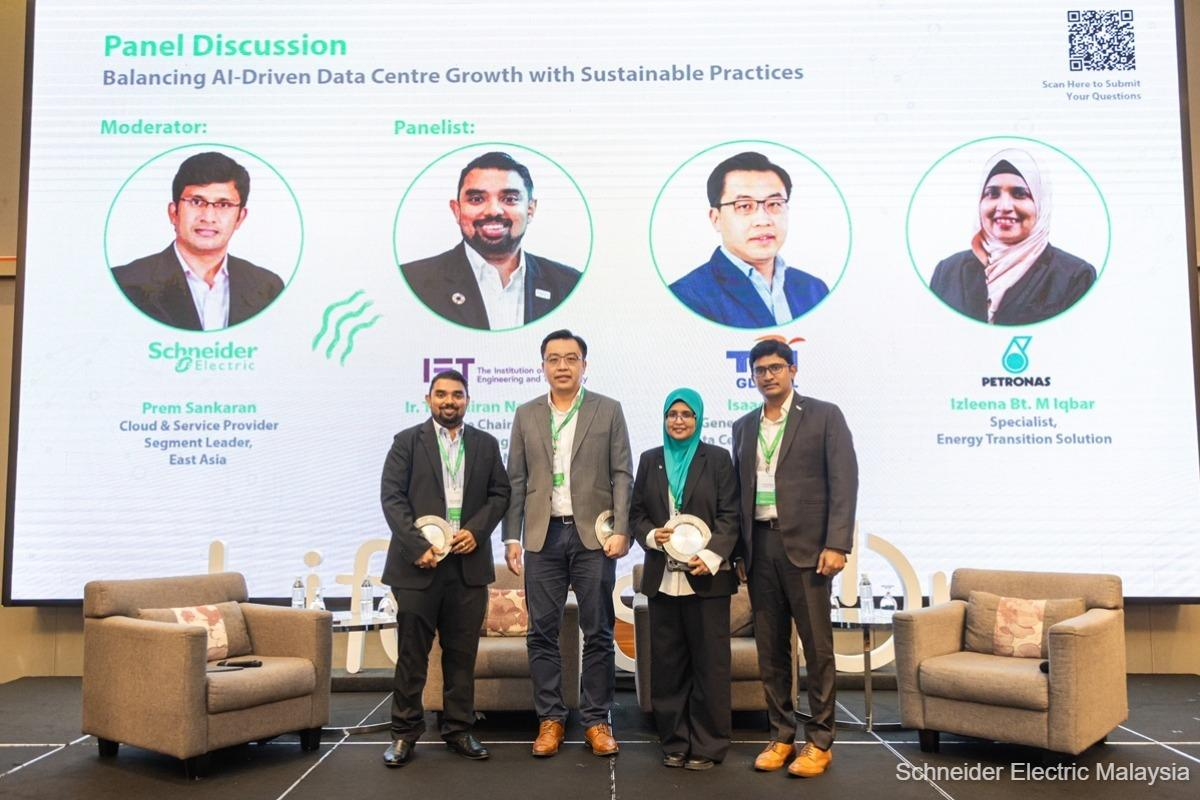
Industry gatherings make these conversations more focused. A facilities team, for example, may compare cooling approaches with solution providers, then take those insights into a planned upgrade. Such exchanges help turn sustainability ambitions into decisions that can be evaluated.
Skills And Measurement Strengthen Long-Term Progress
Technology alone does not deliver sustainable operations. People need the knowledge to interpret performance data, manage complex systems, and connect infrastructure decisions with organisational targets.
Capabilities That Help Teams Improve
- Energy literacy: Helps technical and procurement teams understand consumption patterns and efficiency indicators.
- Cloud cost management: Encourages teams to match computing resources with business needs and reduce avoidable usage.
- Lifecycle planning: Supports repair, reuse, responsible disposal, and more informed equipment purchasing.
- Transparent reporting: Makes targets, baselines, progress, and trade-offs clearer to internal and external stakeholders.
A useful starting point is to select a small set of measurable indicators, assign responsibility, and review results at regular intervals. Reporting should explain both progress and the operational context behind it. This creates a feedback loop: teams learn what works, adjust investment priorities, and make sustainability part of infrastructure management.
Malaysia’s Digital Ambitions Need Sustainable Foundations
Malaysia’s expanding digital infrastructure creates opportunities to connect investment with responsible resource planning. The country’s data centre and cloud ecosystem is supported by regional connectivity, growing digital demand, and interest in AI-enabled services. At the same time, long-term growth depends on reliable power, efficient cooling, water stewardship, skilled professionals, and infrastructure that can adapt as technology evolves. Discussions around greener facilities, renewable integration, cloud adoption, and data centre operations are therefore central to the sector’s future. Businesses evaluating new solutions benefit from comparing performance, implementation needs, and lifecycle considerations rather than focusing on specifications alone. Shared knowledge can help stakeholders identify approaches suited to local conditions and regional requirements.
Conclusion: Turning Sustainable Technology Into Shared Progress
The next phase of digital growth will be shaped by choices made today: which systems organisations deploy, how efficiently they operate, and how openly the industry shares expertise. Sustainable infrastructure is not separate from innovation; it helps make innovation dependable over time.
The Malaysia digital economy will benefit when investment in data centres and cloud services is matched by thoughtful energy use, responsible resource management, and collaboration across the technology ecosystem. The Datacentre & Cloud Infrastructure (DCCI) Expo Malaysia 2027 will bring industry professionals, solution providers, and decision-makers together on 4–5 May 2027 at the Kuala Lumpur Convention Centre. It will feature discussions on greener data centres, AI and automation, water-smart cooling, cloud infrastructure, and digital transformation. Participants can exchange insights, assess emerging solutions, and build industry connections that support practical progress through the platform.