
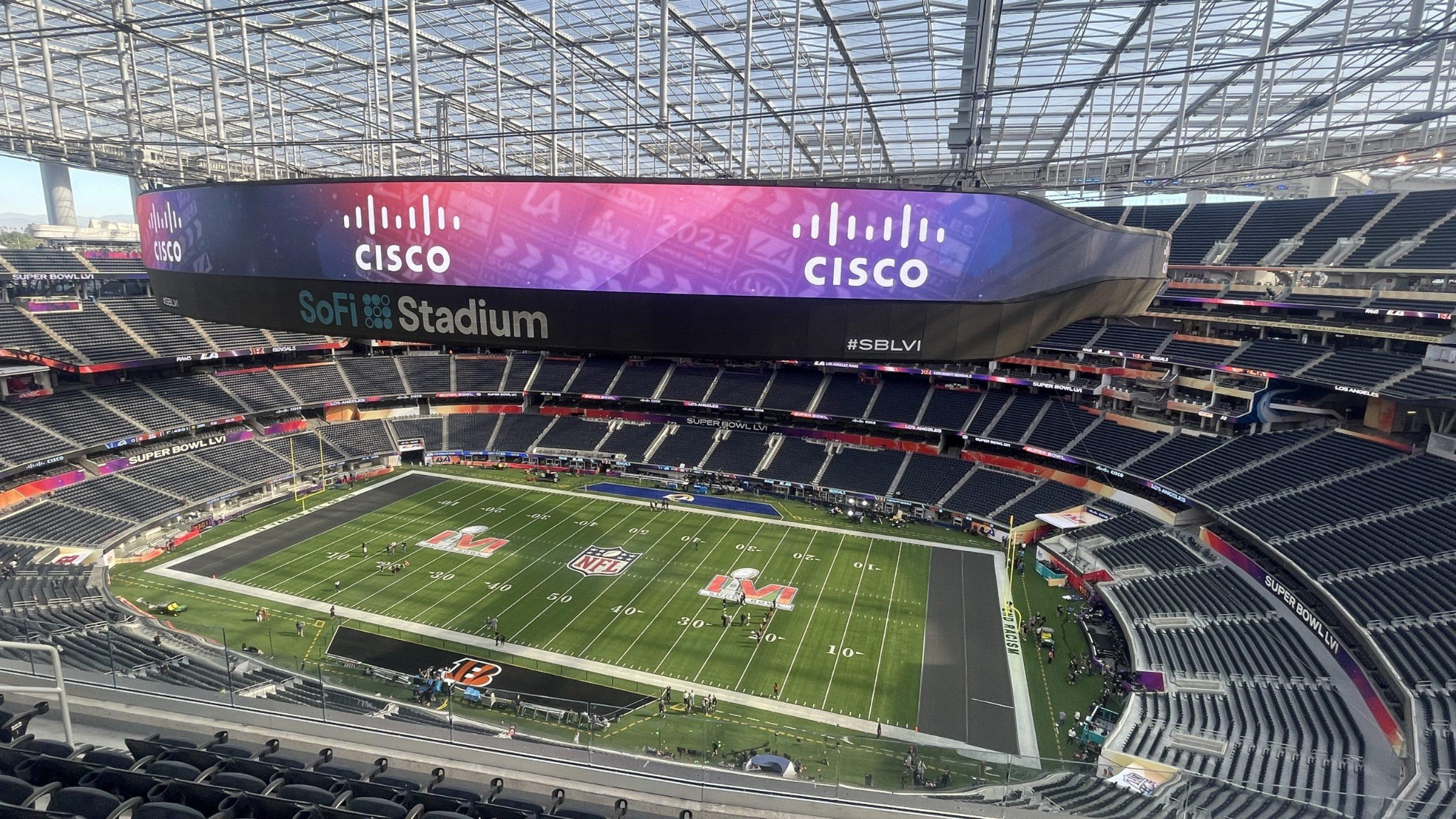
Modern stadiums are evolving into connected environments where architecture, engineering, and technology work together. They require practical solutions that improve safety, connectivity, sustainability, operations, and spectator comfort. Exhibitors advance this progress by bringing products and specialist knowledge to those planning and managing sports facilities. At an industry gathering, a sports infrastructure event exhibitor India can help turn emerging ideas into practical conversations about the future of stadiums.
Bringing Innovation Closer to Decision-Makers
Exhibitions create a meeting point for solution providers and the professionals who evaluate, purchase, integrate, or operate their products. Stadium owners, architects, engineers, government representatives, and technology teams can explore innovations together. Visitors can question suppliers, examine demonstrations, and assess solutions in a venue context.
This interaction helps decision-makers compare approaches and identify suitable technologies. Exhibitors also learn about operator challenges, from aging facilities to maintenance demands.
Improving Stadium Connectivity and Digital Infrastructure
Connectivity underpins venue operations. Broadcasters, security teams, ticketing systems and facility managers depend on stable networks. Exhibitors in fiber infrastructure, Wi-Fi, private 5G and network management can address these demands.
Stakeholders can examine network capacity, coverage, resilience and integration before making decisions. A well-planned network can connect access gates, control rooms, digital displays, payment systems and operational devices. It can also support real-time information sharing during busy events. Exhibitors help stakeholders understand why connectivity planning should begin during the design stage rather than being treated as an upgrade after construction.
Strengthening Safety Through Smart Technologies
Managing large crowds safely is one of the most important responsibilities of a stadium. Modern systems support teams with surveillance, access control, crowd analytics, sensors and emergency communication. Exhibitors in these fields can explain how different tools work together to identify developing risks and help staff respond with better information.
For example, AI-enabled video analytics may help detect unusual movement or crowd density, while connected sensors can provide additional information about conditions in busy areas. Digital signage and communication platforms can guide visitors during changing situations. Exhibitors can demonstrate capabilities and explain integration with existing control rooms.
Supporting Sustainable Stadium Development
Environmental performance is becoming an essential part of infrastructure planning. Stadiums consume energy and water, generate waste and need regular maintenance. Exhibitors offering efficient lighting, solar power, water recycling, smart controls and sustainable materials can reduce resource use.
For instance, intelligent lighting controls can adjust output according to activity and operating conditions, while water management systems can support reuse for suitable non-potable applications. Sustainable solutions are most effective when considered early and selected according to the venue’s climate, capacity and operating model. Exhibitors can help make these technical considerations easier to compare.
Enhancing the Spectator Experience
A successful stadium must serve athletes, staff, broadcasters and spectators. Digital ticketing, contactless entry, mobile applications, cashless payments and connected concessions make visits more convenient. Exhibitors presenting these technologies can show how separate services may be integrated into a smoother visitor journey.
For venue operators, better digital services can create useful operational information. Fan engagement tools can deliver event updates, personalised content and interactive experiences. By explaining visitor benefits and operational requirements, exhibitors help stakeholders evaluate solutions beyond their visual appeal.
Encouraging Integration Across Stadium Systems
A modern venue rarely depends on one technology provider. Its infrastructure may include building management, security, ticketing, broadcasting, lighting, connectivity, and energy systems. These components must exchange information reliably. Exhibitors clarify compatibility, standards, installation, and support.
This is particularly valuable when planning upgrades to existing stadiums, where new systems must work alongside legacy equipment. Clear technical discussions at exhibitions can reduce uncertainty before procurement and implementation begin.
Creating Business Opportunities and Industry Partnerships
Exhibitions extend beyond product displays. They provide opportunities to build relationships, identify project partners and understand market requirements. A venue operator may meet a technology specialist, while a public-sector representative may connect with organisations capable of supporting a planned facility.
For sports technology vendors India, participation can create visibility among buyers and influencers who understand the sector’s technical demands. Meaningful conversations may lead to pilot projects, partnerships or procurement discussions. These outcomes depend on trust, clear communication and solutions that address genuine infrastructure needs.
Why Industry Exhibitions Matter to India’s Stadium Ambitions
India’s sports infrastructure is developing alongside ambitions to host major international competitions and improve facilities for athletes and communities. Industry exhibitions can support this process by making specialist knowledge more accessible and encouraging stakeholders to compare approaches.
Organisations seeking to exhibit smart stadium conference India can use such a setting to present relevant solutions, meet potential collaborators and contribute to discussions about practical implementation. The value lies not simply in displaying products, but in connecting expertise with real development priorities.
Turning Demonstrations into Long-Term Progress
The influence of exhibitors continues beyond the exhibition floor when discussions lead to evaluation, testing and well-planned adoption. Venue teams should assess solutions against clear objectives, lifecycle costs, interoperability, maintenance capacity, data protection and measurable performance. Exhibitors, in turn, should provide transparent specifications, realistic demonstrations and dependable after-sales support.
Instead, decisions can focus on whether a system improves safety, efficiency, sustainability or the visitor experience.
Conclusion
Exhibitors are important contributors to the development of modern stadium infrastructure because they connect innovation with the people responsible for delivering and operating sports venues. Through demonstrations, technical discussions, and professional networking, they help stakeholders discover solutions for connectivity, safety, sustainability, integration, and fan engagement. Their participation can encourage informed decisions and partnerships that support long-term progress. A sports infrastructure event exhibitor in India can therefore play a meaningful role in shaping safer, smarter, and more adaptable stadiums across the country.
The future of sports infrastructure depends on innovation, collaboration, and industry-wide knowledge sharing. Smart Stadiums & Sports Infra Summit will bring together stadium operators, infrastructure leaders, architects, engineers, government representatives and technology providers to explore solutions shaping future-ready venues. Through its conference sessions, exhibition, and networking opportunities, the summit will encourage practical discussions on connectivity, safety, sustainability, digital operations, and fan engagement. Join the conversation in New Delhi in 2027 across India’s sports ecosystem.