
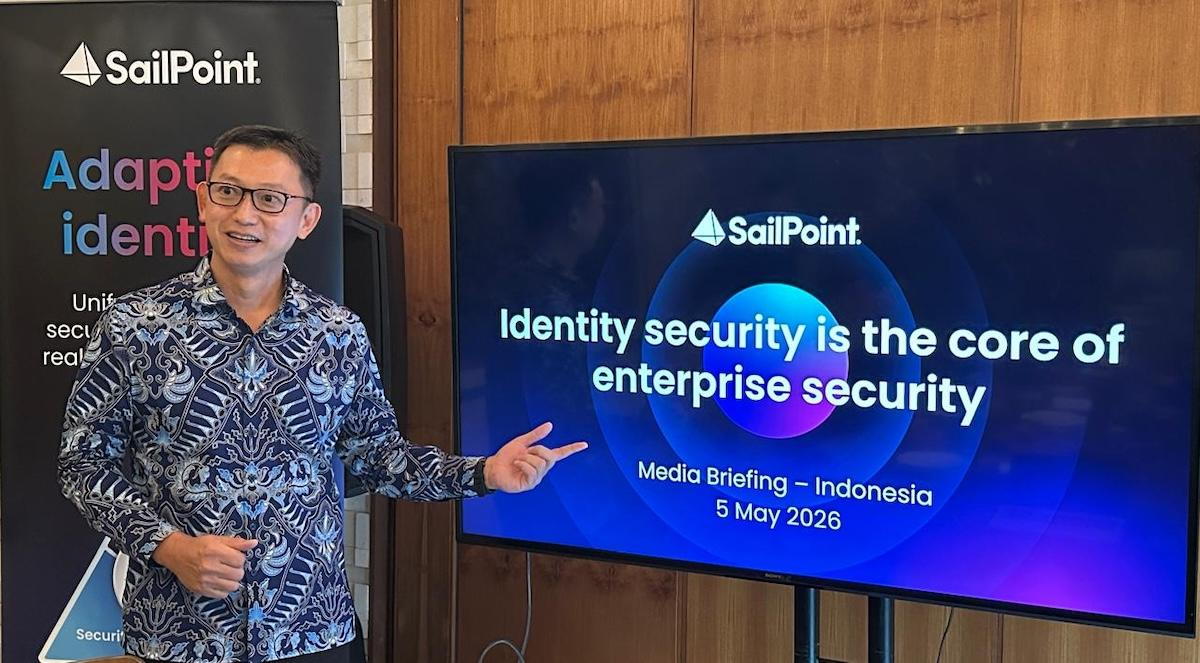
Artificial intelligence is becoming deeply integrated into enterprise applications, business workflows, and digital infrastructure. As organizations introduce AI-powered tools, they must manage not only employee access but also the identities of automated systems interacting with sensitive resources. Weak identity controls can expose confidential information, create unauthorized access, and increase security risks. Discussions at an information security conference can help technology leaders understand how identity management must evolve to protect increasingly connected enterprise environments.
Strong identity controls establish who or what can access business resources, which activities are permitted, and how access should be monitored. For CIOs, building these safeguards is essential to maintaining security while enabling organizations to benefit from AI-driven capabilities.
Understanding Identity Controls in AI-Driven Enterprises
Identity controls are security measures that verify users, devices, applications, and automated systems before granting access to enterprise resources. They determine how identities are authenticated, what permissions they receive, and which activities they can perform.
In AI-driven environments, identity management extends beyond traditional employee accounts. AI agents, software applications, APIs, and automated workflows may also require access to business systems. Each identity needs appropriate permissions and monitoring to prevent misuse. Without clearly defined controls, organizations may struggle to identify unauthorized activity or determine which system initiated a particular action.
Why Traditional Access Management Needs to Evolve
Conventional access management often focuses on employees accessing applications through established login procedures. However, AI-driven operations introduce machine identities and autonomous agents that can interact with several platforms without continuous human involvement.
These changes require enterprises to rethink how identities are created, authenticated, authorized, and reviewed. A broader approach to identity security helps organizations maintain visibility across human and non-human accounts while reducing unnecessary access privileges.
Managing Non-Human Identities
Applications, APIs, automated workflows, and AI agents use non-human identities to communicate with enterprise systems. These identities may require access to databases, cloud environments, and internal applications to complete assigned tasks.
Organizations should maintain an inventory of these accounts, assign ownership, and regularly review their permissions. Unmanaged machine identities can become security weaknesses when credentials remain active after their original purpose has ended.
Strengthening Authentication Mechanisms
Authentication verifies whether a user or system is genuinely authorized to access a resource. Passwords alone may not provide sufficient protection for sensitive enterprise applications, particularly when accounts have elevated privileges.
Organizations can strengthen authentication through multifactor authentication, secure tokens, and appropriate verification procedures. Risk-based authentication can also help identify unusual access attempts and require additional verification when necessary.
Applying Least-Privilege Access
The principle of least privilege ensures that every identity receives only the permissions required to perform its assigned responsibilities. This limits the potential damage if an account becomes compromised or an AI agent behaves unexpectedly.
CIOs should establish role-based permissions, restrict access to sensitive records, and review authorization whenever responsibilities change. These practices reduce unnecessary exposure across connected enterprise systems.
Securing Privileged Accounts
Privileged accounts provide access to critical infrastructure, administrative settings, and sensitive business information. If compromised, these accounts can allow attackers to make significant changes across enterprise environments.
Organizations should protect privileged identities through stronger authentication, controlled approvals, session monitoring, and regular access reviews. Administrative permissions should also be granted only when required and withdrawn when the task is complete.
Monitoring Identity Activity Across Systems
Monitoring helps security teams understand how identities interact with applications, databases, and cloud infrastructure. Organizations should maintain activity records that capture authentication attempts, permission changes, unusual access patterns, and automated actions.
Continuous monitoring makes it easier to identify suspicious behavior and investigate potential incidents. It also improves visibility into how AI agents use their assigned permissions across business operations.
Integrating Identity Governance With Enterprise Security
Identity governance should be connected with broader cybersecurity practices rather than managed as an isolated function. CIOs can align identity management with endpoint security, cloud protection, data governance, and incident response to establish consistent safeguards across enterprise infrastructure.
Insights shared at IT security conferences can help technology professionals examine changing identity threats and evaluate practical approaches to access management. These discussions can encourage organizations to strengthen authentication, privileged access management, and oversight of machine identities.
Enterprises should also establish procedures for reviewing third-party applications and external service providers. Vendor accounts, integration credentials, and API connections must follow the same security expectations as internal identities. This creates greater accountability and reduces the possibility of unauthorized access through external systems.
Key Identity Controls Enterprises Should Prioritize
A structured identity security approach helps organizations protect sensitive resources without creating unnecessary barriers for authorized users. Important priorities include:
- Multifactor authentication
- Least-privilege access policies
- Non-human identity management
- Privileged account monitoring
- Regular access reviews
These controls provide a foundation for managing access across employees, applications, and AI-powered systems.
Their effectiveness depends on consistent implementation, clear ownership, and regular evaluation as enterprise technology environments evolve.
Evaluating Identity Management Solutions and Security Readiness
Before selecting an identity management solution, CIOs should assess its ability to support both human and non-human identities. Compatibility with existing applications, cloud platforms, directories, and security tools is important for maintaining consistent access policies.
Organizations should also examine automated provisioning, authentication capabilities, privileged access controls, audit records, and real-time monitoring. The solution should provide sufficient visibility into identity activity while supporting the organization’s security and operational requirements.
Implementation readiness deserves equal attention. Security teams need suitable expertise, documented procedures, and clear responsibilities for managing access throughout the identity lifecycle. Regular testing and reviews can reveal weaknesses before they affect critical business systems. Selecting solutions based on these requirements helps organizations build a more dependable identity security framework.
Conclusion
Identity controls are essential for protecting AI-driven enterprise environments because they establish accountability, restrict unauthorized access, and provide visibility into human and automated activities. By strengthening authentication, managing machine identities, applying least-privilege policies, and monitoring privileged accounts, organizations can reduce security exposure while supporting digital innovation.
For technology leaders seeking opportunities to explore these priorities, Digital CIO Indonesia brings together CIOs, CISOs, information security professionals, and technology solution providers to exchange insights on enterprise security and digital transformation. As a platform supporting conversations around Information security in Indonesia, the summit encourages knowledge sharing on identity protection, cybersecurity, and emerging technologies. Professionals can benefit from connecting with industry experts and exploring approaches to building more secure and resilient enterprise environments.