
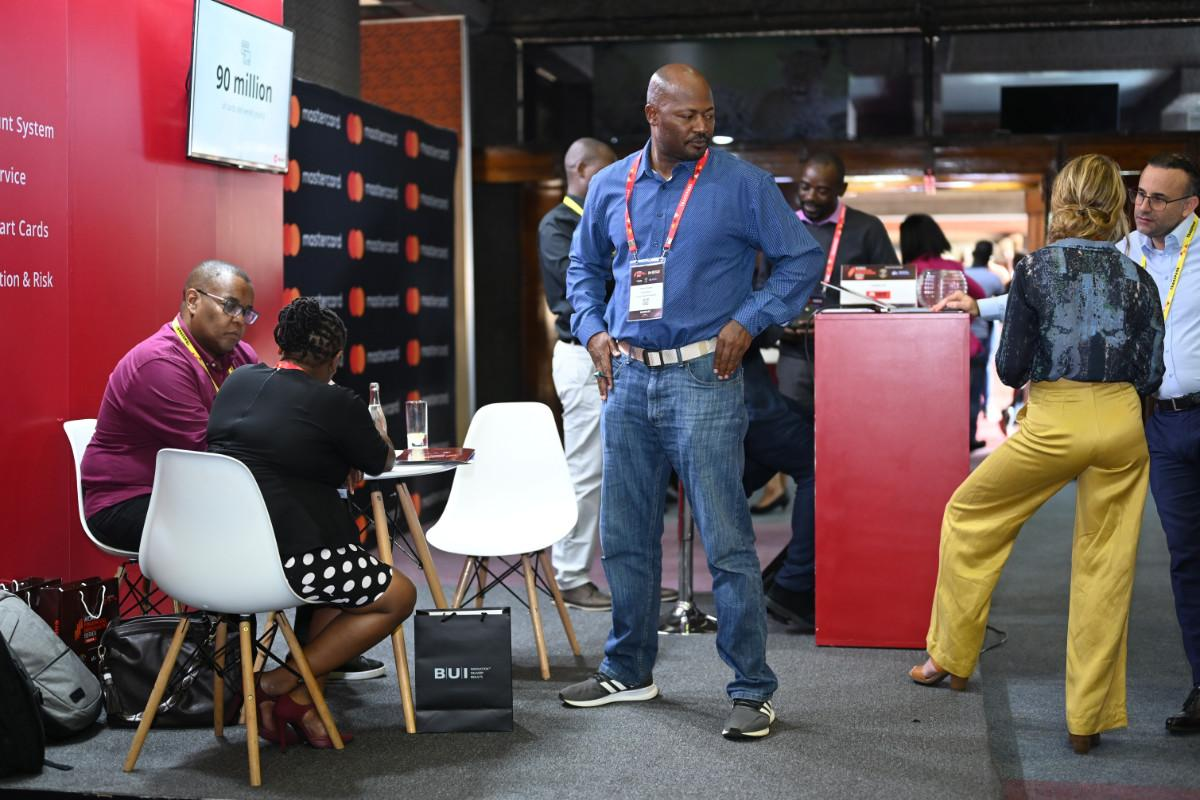
Financial industry events bring professionals together to examine shared challenges, exchange expertise, and discover developments that may influence their organizations. However, a valuable gathering needs more than a busy schedule. A seamless conference experience connects relevant content, knowledgeable participants, practical demonstrations, and purposeful networking. These elements help attendees use their time effectively and return with ideas they can apply.
A Program Built Around Industry Priorities
The quality of an event begins with its agenda. A clearly structured schedule should identify session themes, formats, timings, and intended audiences. This information allows prospective attendees to judge whether the event addresses their priorities before committing time and resources. Sessions should address issues that matter to financial institutions, rather than simply listing popular topics. Themes such as artificial intelligence, data analytics, financial inclusion, cybersecurity, and cloud infrastructure help participants understand industry developments.
A strong program also balances strategic discussion with practical insight. Expert presentations, panel discussions, and focused conversations can serve different interests when the topics are clearly described, and the sessions are organized thoughtfully. Attendees should review the agenda and identify sessions relevant to their responsibilities.
Knowledge Shared by Relevant Voices
The people contributing to an event have a significant influence on the quality of its discussions. A balanced speaker line-up can connect strategic thinking with operational experience, helping audiences see how industry developments translate into decisions across the sector. Speakers with experience across banking, insurance, fintech, regulation, and technology can bring different viewpoints to complex questions. Their contributions help attendees compare approaches and understand industry concerns.
Experience That Adds Context
Practical experience gives discussions greater depth. Speakers who can explain the decisions behind a project, the obstacles encountered, and the lessons learned help audiences move beyond general predictions.
Diverse Perspectives Across the Sector
Financial services involve institutions with different customers, operating models, and regulatory responsibilities. Contributions from banks, fintech firms, insurers, microfinance organizations, regulators, and technology providers can reveal where priorities overlap and where approaches differ.
Space for Questions and Debate
Presentations are more useful when attendees can seek clarification and challenge assumptions. Question-and-answer sessions and moderated panels encourage a more active exchange, allowing participants to explore details that may not fit into a prepared presentation.
Relevant Insights for Different Roles
A well-planned event recognizes that its audience includes decision-makers, specialists, and professionals responsible for implementation. Sessions that connect business strategy with technical and operational considerations can make the program useful to a wider group.
Clear Takeaways for Future Decisions
Useful contributions should leave attendees with questions to investigate, ideas to discuss internally, or practices to evaluate. The value is not simply in collecting information, but in understanding its relevance to an organization’s circumstances.
Technology Demonstrations and Solution Discovery
An exhibition can extend learning beyond the conference stage. It can also help attendees understand the range of providers working in the market and identify questions for more detailed evaluations after the event. It gives organizations a place to present financial technology products and demonstrate how particular tools work. Attendees can explore applications related to customer experience, payments, identity verification, analytics, security, and operational processes.
For professionals attending a digital banking conference, direct conversations with solution providers can make emerging technologies easier to assess. Delegates can ask about integration, scalability, data protection, implementation requirements, and ongoing support. Exhibitions are most valuable when visitors approach them with clear priorities and compare offerings against defined requirements rather than novelty alone.
Networking With a Clear Purpose
Professional connections are another reason to attend an industry event. A varied audience can create opportunities to exchange ideas across departments, institutions, and specialist fields. Conversations with peers can reveal how other organizations are responding to common pressures, while meetings with technology providers may introduce options worth exploring.
Networking becomes more productive when attendees prepare. Preparing a concise introduction and thoughtful questions can make conversations more productive. Equally important is following up after the event. A short message, a shared resource, or a further discussion can help turn an initial contact into a lasting professional relationship.
Organization, Accessibility, and Overall Experience
The practical arrangements influence whether attendees can concentrate on the event itself. Clear registration information, an accessible venue, a well-communicated schedule, helpful event staff, and suitable spaces for meetings all contribute to a positive experience. Timely updates help participants plan travel and move between sessions.
Attendees should also consider whether the event format suits their goals. Reviewing the venue, timings, session descriptions, and participation details helps set realistic expectations and makes it easier to plan a productive visit.
Before attending, consider these five practical points:
- Review the agenda and select sessions relevant to current priorities.
- Check speaker backgrounds and the range of organizations represented.
- Identify exhibition areas and technologies worth exploring.
- Set clear networking goals and prepare questions for potential contacts.
- Plan travel, timings, and follow-up activities in advance.
Preparation helps attendees manage their time and capture useful insights.
Turning Event Participation Into Lasting Value
The benefits of an event should continue after the final session. A short review soon after attending can help separate useful findings from general impressions and establish which conversations deserve a response. Attendees can review their notes, share relevant findings with colleagues, and identify ideas that deserve further investigation. Not every insight will suit every organization, so follow-up should include assessing feasibility, cost, security, regulatory implications, and alignment with business objectives.
A technology demonstration might prompt a closer review of existing systems, while a conversation with another institution may suggest a different way to approach customer engagement. Recording next steps and assigning responsibility helps prevent useful observations from being forgotten.
Conclusion
A financial industry event is worth attending when it combines relevant discussions, credible expertise, practical technology exploration, meaningful networking, and well-managed arrangements. Its value depends not only on what happens during the program, but also on how effectively participants use and apply what they learn.
For professionals seeking opportunities to engage with financial innovation and connect with industry stakeholders, The World Financial Innovation Series (WFIS) – Kenya brings together conference sessions, technology exhibitions, networking opportunities, and industry recognition. Its program creates a setting for conversations about banking in Kenya, digital transformation, emerging technologies, and the priorities shaping financial services. Choosing the right event and preparing with clear objectives can help participants turn attendance into knowledge, relationships, and informed next steps.